

Meet the therapist
Katy Conway runs Time for Pooch, a canine massage therapy business and she practices Whole Energy Body Balance. Sounds intriguing, but what exactly is it and how can it help dogs carrying ‘silent pain’?
Read on to see how she explains more in this guest blog.

Meet Poppet
Poppet, an 11-year-old Springer Spaniel, is a whirlwind of energy, always on the move and very eager for walks. Even when she does lie down, she’s restless, moving from one bed to another, getting up at the slightest sound. She may not sound like a dog in pain but as I examined her, it became clear that her hyperactivity was masking pain, particularly in her lumbar spine.
Through a combination of fascial release techniques and the Whole Energy Body Balance Somatic Relaxation Technique, I observed a noticeable shift. Her body visibly quivered as she released both physical pain and emotional tension. Additionally, thoracic release techniques helped deepen and slow her breathing, enabling her to switch off and relax.
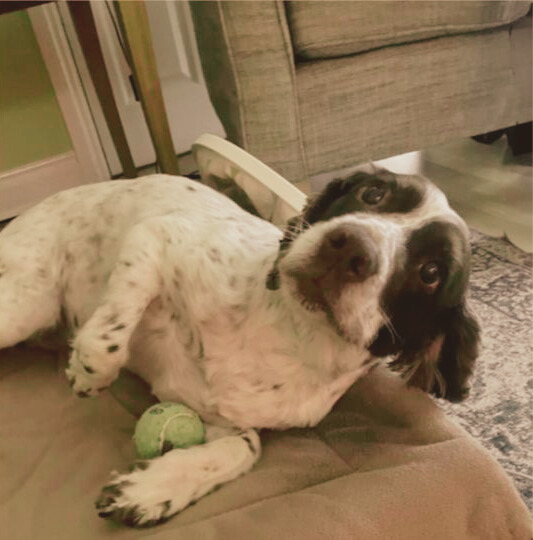
Following the session, her owner reported she was much more relaxed, breathing easier and sleeping more soundly. Having relaxed Poppet, I could then treat the more physical conditions and release muscular tension around her neck & spine. As a result, Poppet was standing straighter, without the hunched back she had previously.
Poppet’s treatment was a combination of Whole Energy Body Balance (WEBB) and traditional canine massage therapy. Whole Energy Body Balance (WEBB) is a holistic healing and somatic bodywork modality developed by Australian holistic veterinarian Dr. Edward Bassingthwaite, often known as “The Healing Vet.” It’s a comprehensive approach designed to address physical, emotional, mental, and energetic imbalances in pets, people, and horses.
WEBB is a holistic therapy working on the principle that the body, mind, and energy systems are interconnected. It aims to restore balance and harmony across all these levels, rather than just treating symptoms.
It works across the following layers:
- Neuro-fascial Network: Bodywork involves skilful, intentional touch that works with the neuro-fascial network. The fascia is a web of connective tissue that runs throughout the entire body, surrounding muscles, organs, bones, and nerves. Tension or restrictions in the fascia can affect physical movement, nerve function, and even emotional well-being.
- Craniosacral System: WEBB often incorporates principles and techniques related to the craniosacral system, which involves the membranes and cerebrospinal fluid that surround and protect the brain and spinal cord. Gentle manipulation in this area can influence the nervous system and promote relaxation and healing.
- Subtle Energy Balancing: Beyond the physical, WEBB also addresses the body’s subtle energy systems. The idea is that blockages or imbalances in these energy flows can contribute to physical or emotional issues.
- Addressing Hidden Pain, Trauma, and Anxiety: A key focus of WEBB, is identifying and releasing “silent pain” – pain that an animal may be experiencing but not overtly showing. It also aims to release trapped trauma and post-traumatic stress, which can manifest as physical discomfort, anxiety, or behavioural issues.
- Nervous System Regulation: Finally WEBB seeks to calm the nervous system, shifting the body from a state of “fight or flight” (sympathetic nervous system dominance) to a “rest and digest” state (parasympathetic nervous system activation). This promotes deep relaxation, self-healing, and emotional regulation.
A holistic approach which requires all of the therapist...
Not only does Whole Energy Body Balance Empathy treat the whole dog but it requires all of the therapist. We are encouraged to be deeply present, empathetic, and intuitive during sessions, “listening” to the animal’s subtle cues and allowing the animal to guide the session. This deep presence allows us to connect with the dog on a deeper level and respond intuitively to their needs during the massage.
As a WEBB therapist before we can be fully present with the animal, we must first be present and mindful with ourselves. I practice meditation, deep breathing, and other mindfulness techniques to enhance my focus, reduce stress, and cultivate a calm presence. The more calmness I can bring to a session, the better a dog reacts.
Self-care is so important. Canine massage can be physically and emotionally demanding, so it is important to prioritise my own well-being. A tired and burnt-out therapist cannot be a truly mindful one.
Extending empathy to the owner
These mindful interactions also extend to the owners by providing:
- Empathetic Communication: Listening actively and empathetically to clients’ concerns about their dogs. Understanding their goals for the massage and address any anxieties they may have.
- Education and Empowerment: Teach owners simple massage techniques they can use at home to continue the benefits and strengthen their bond with their dog. Educate them about canine body language and how to recognise their dog’s comfort levels.
- Transparency and Honesty: Be clear about what canine massage can and cannot do. Always working with veterinary consent and referring dogs back to their vet if I observe any health concerns outside my scope of practice.
- Managed Expectations: While canine massage can be incredibly beneficial, it’s not a magic cure and I aim to be realistic about potential outcomes and the time it might take to see improvements.
A combined approach
I also hold a qualification in Galen Myotherapy which is a very clinical scientific-led approach to canine massage. It is a targeted and specialised massage that requires in-depth knowledge of canine anatomy, biomechanics, and pathology. The focus is on identifying and treating specific muscular and soft tissue issues, often those that are chronic or compensatory in nature.
Combining the roles of a Whole Energy Body Balance (WEBB) Practitioner and a Galen Myotherapist for dogs creates a truly comprehensive and holistic approach to canine well-being.
This dual approach brings numerous benefits including:
- Relief from physical pain and tension
- Improved range of motion and flexibility
- Reduced anxiety, fear, and phobias
- Resolution of trauma and post-traumatic stress
- Increased vitality and well-being
- Enhanced connection between pets and their humans
- Improved athletic performance
- Quicker recovery from injuries or surgery
- Rebalanced Nervous System
- Enhanced Immune Function
- Better Sleep Quality
- Improved blood flow and lymphatic drainage
- Breakdown of scar tissue and adhesions
- Promoting muscle function and overall joint health
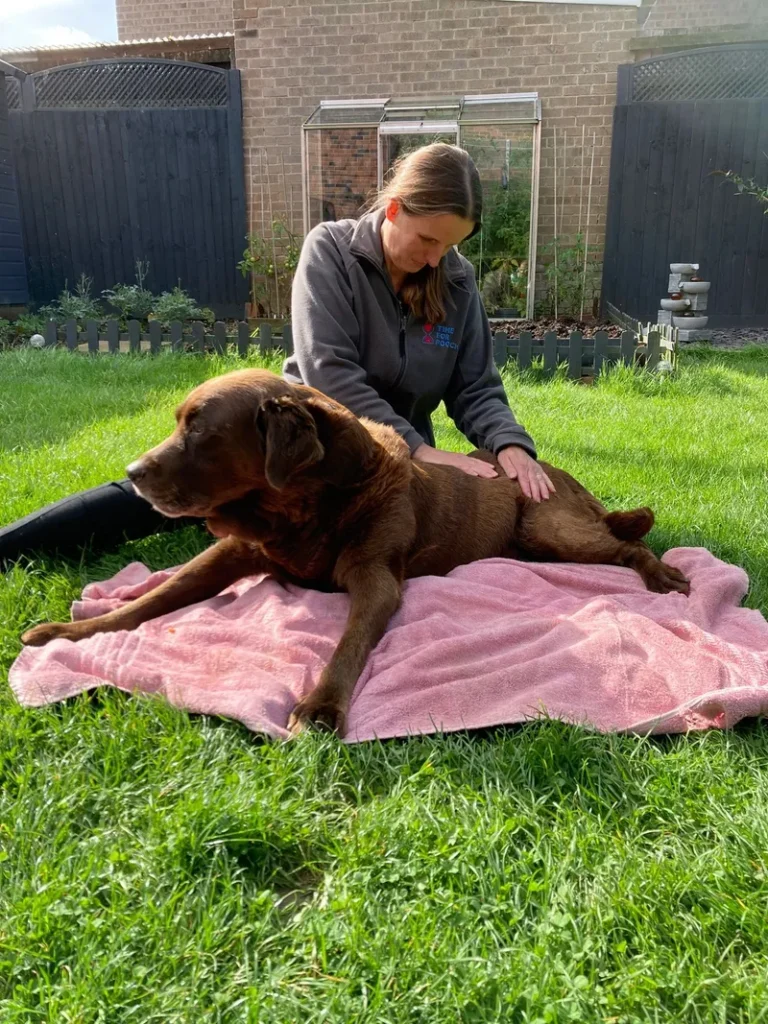
In essence, Time for Pooch goes beyond traditional massage or bodywork by integrating physical, energetic, and emotional approaches to promote comprehensive healing and well-being in the individual.
My canine massage business is not just a service, but a holistic experience that benefits dogs, their owners, and myself, fostering a deeper connection and promoting overall well-being.
Katy Conway