

What is your pet's carbon pawprint?
Dogs enjoy nature as much as we do, if not more. It provides them with space for to run, jump and play. They relish the freedom to explore open fields, forests, and beaches, with their powerful noses leading the way. Beyond the physical release, nature offers vital mental stimulation, preventing boredom and promoting cognitive health.
As responsible dog owners need to help reduce the environmental pawprint our dogs leave and embrace sustainable practices to ensure this planet remains one for us and our dogs to enjoy for generations to come.
Driven by our shared passion for the planet, Carole Parsons of Pet Therapy Veterinary Acupuncture and Katy Conway of Time for Pooch Canine Massage have partnered to share sustainable pet ownership tips for greener, more responsible pet care.
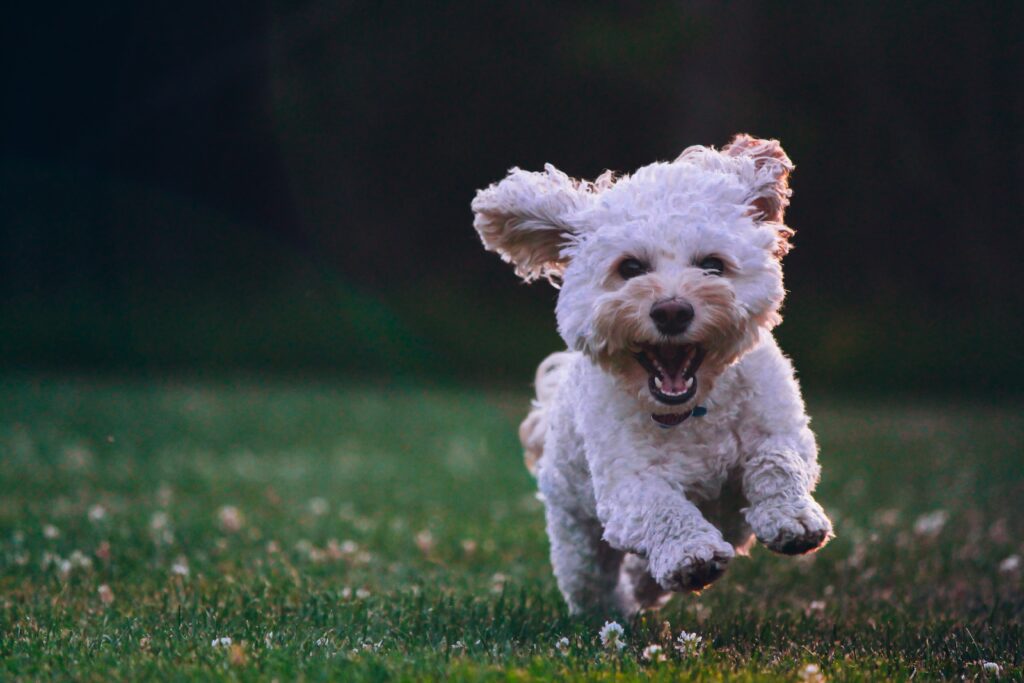
Walkies with a green twist
- Local Adventures: Instead of driving to a dog park, opt for a leisurely walk to a nearby park. If you need a secure play area, consider car sharing with other pet owners.
- Wildlife Awareness: When venturing into nature, keep your dog on a lead, especially around grazing animals and during nesting season. Respecting wildlife ensures their safety and preserves the delicate ecosystem.
- Waterway Wisdom: If your dog has recently received topical flea treatment, avoid letting them swim in rivers. These treatments contain pesticides that can harm aquatic life like dragonfly and mayfly larvae.
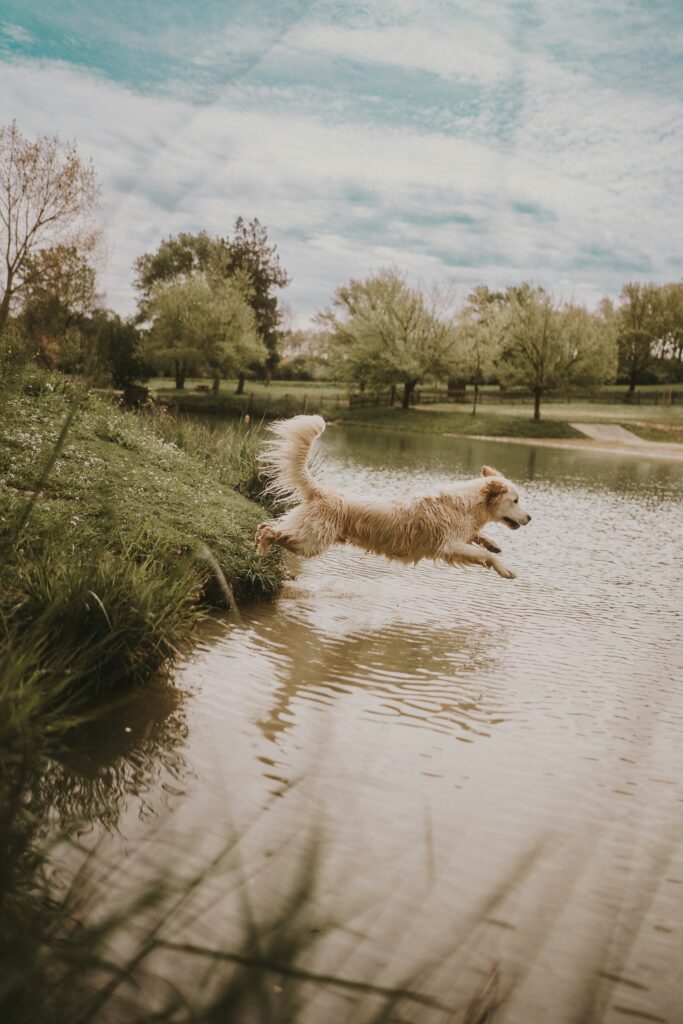
- Bankside Behaviour: If swimming is allowed, encourage your dog to stay in the water rather than repeatedly climbing in and out, which can damage bankside plants and lead to soil erosion.
- Litter pick: While enjoying your stroll with your beloved pooch, help keep our fields and paths clean. Pick up any litter you see.
- Ditch the tissue: Embrace sustainable winter walks: swap disposable paper tissues for a reusable cotton handkerchief.
Sustainable Food Choices
- Packaging Matters: Look for pet food sold in bulk or with recyclable packaging. If possible, buy food loose using your own containers.
- Meat Considerations: Consider switching from beef to lower-impact proteins like chicken, rabbit or insects. Explore pet foods that utilize by-products of the meat industry, such as bonemeal and organ meat, or those with a higher plant-based content. And if you opt for fish-based food, ensure it’s certified sustainable.
- Homemade Treats: Create your own treats to reduce packaging waste and avoid unsustainable ingredients like palm oil.
Playtime
- Reduce Plastic Waste: Resist the urge to buy new plastic toys. Choose toys made from recycled or recyclable materials.
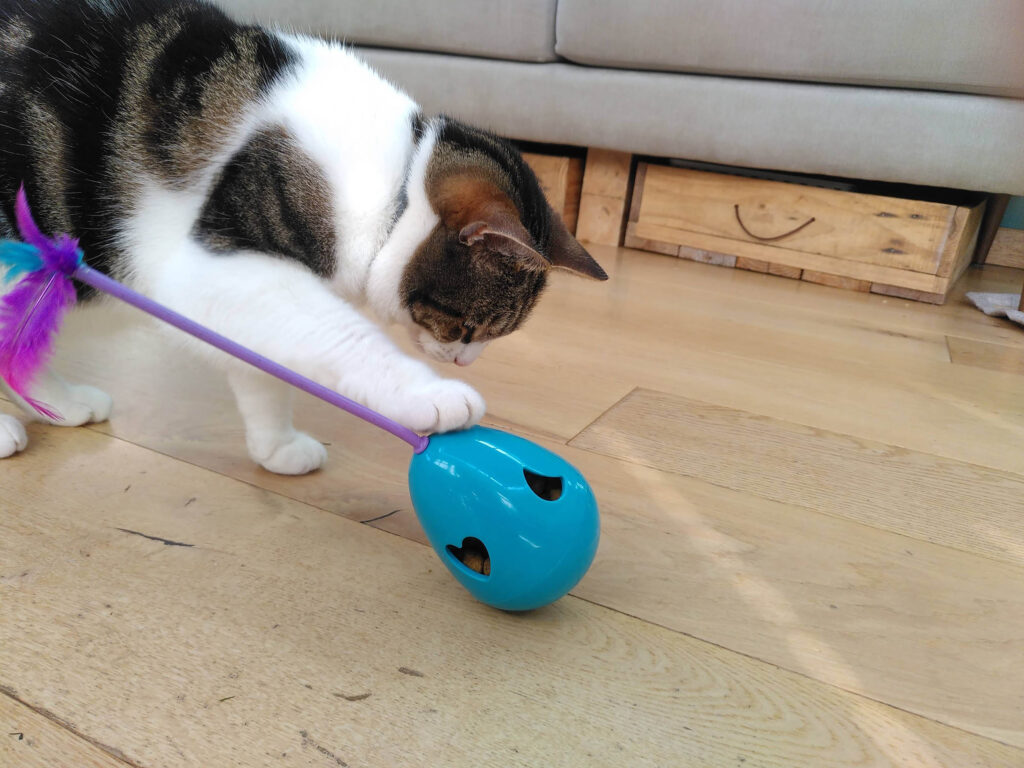
- DIY Fun: Get creative with household items! A foil ball can entertain a cat, while a knotted old t-shirt makes a great dog toy. Toilet tubes can be transformed into fun toys for smaller pets.
- Donation is Key: Donate lightly used or unwanted toys to your local animal shelters.
Manage that poo!
- Reduce Plastic Bag Usage: Traditional plastic bags contribute significantly to landfill waste.
- Bury It (Countryside Option): If you live in the countryside, bury dog waste in a hole at least 15cm deep, ensuring it’s properly covered.
- Composting: Compostable bags won’t decompose in landfills. If composting, keep dog waste separate and use it only on decorative plants. Do not use this compost on any edible plants.
- Recycled Alternatives: Use bags made from recycled plastic or reuse plastic bags that would otherwise go to waste.
Responsible healthcare
- Rethink Preventative Treatments: Discuss with your vet a personalised flea and worming plan that considers your pet’s risk factors and environmental impact. Avoid overusing topical treatments.
- Worm Testing: Prioritise stool sample testing for worm eggs over routine deworming to ensure targeted treatment and minimize unnecessary medication use
- Parasite Awareness: Be aware that some pet parasites can infect humans, especially those with weakened immune systems or young children. Consult your vet for appropriate parasite control.
- Drug Disposal: Proper disposal of unused or expired medications is crucial for protecting our soil and water resources. Return to your vet or dispose in the bin, do NOT flush away.
- Maintain a Healthy Weight: A healthy pet requires fewer vet visits and medications, reducing their carbon footprint. Maintaining a healthy weight prevents many diseases.

By implementing these sustainable pet ownership tips, we can ensure our beloved companions live happy, healthy, and environmentally responsible lives. Let’s work together to create a ‘pawsitive’ planet for all!