
Why am I offering herbal medicines and how can they help your pet?
One hundred years ago, or less, ‘herbal medicines’ were just ‘medicines’. Many common medications we use today have been derived from molecules found in nature – think of the aspirin derived from Willow Bark, or the penicillin which revolutionised the treatment of bacterial infections when Alexander Fleming found Penicillium mould on his experimental plates. A large part of the global population still routinely use herbal medicines alongside modern drugs, even in the developed world. But for many, the knowledge and use of these plants has long been forgotten.
I have been practising acupuncture for many years now, and have seen the benefits of a holistic approach to pet health – that is, using a conventional medical approach alongside complementary treatments. I have been interested for a while in using herbal medicine for pets with an evidence-based approach to expand the services I can offer to pets under my care. Having undertaken some foundational training I’m now in a position to offer a limited range of these herbs to pets who are referred to me for treatment.
What are herbal medicines for pets?
Herbal medicines are products using plants and plant extracts for their medicinal purposes. Before the advent of modern pharmaceuticals, many plants were used as medicine due to the compounds they contain (phytochemicals) having biological effects when taken by mouth or applied to the skin. Veterinary herbal medicine applies this use of plants and plant extracts to animal health.
What is the evidence for using herbal medicine for pets?
The majority of modern medicines have been derived from these plant extracts, either by isolating the active compound from the original plant and enhancing its effects by combining it with other chemicals, or by studying the chemical properties of the compounds and creating artificial compounds with the same biological effects.
There is, therefore, alongside a lot of historical observations, a large body of scientific evidence for how most of these compounds work both in laboratory settings and in real animals including humans. Many studies show a synergistic effect from taking the compounds in their ‘original’ form rather than as a synthetically created pill, as the plant will contain many hundreds of chemicals which act together to enhance their effects compared to the isolated chemical, or in some cases balance out potential side effects.
How safe are herbal medicines for pets?
Most of the herbs we prescribe have a very good safety record, but it is important to realise that herbs are not generically, by nature ‘safe’. Many plants are known poisons, for example Belladonna (Deadly Nightshade) is a nervous system toxin; digitalis (Foxglove) can cause heart arrhythmias. These plants have been used medicinally for these same effects for hundreds of years, but without proper knowledge of how to process and dose them, their use can be fatal. Some plants have effects similar to conventional drugs and therefore dosing these concurrently can cause overdosing effects.
For these reasons it is important that your primary vet is kept informed of any herbal medicines your pet is taking, to ensure they do not prescribe anything that is likely to interact with the herbs. I will always require express permission from the animal’s primary vet and up to date medical records before prescribing a herbal medicine, and I will keep your vet informed of any herbs I prescribe.
Which herbs will my pet have?
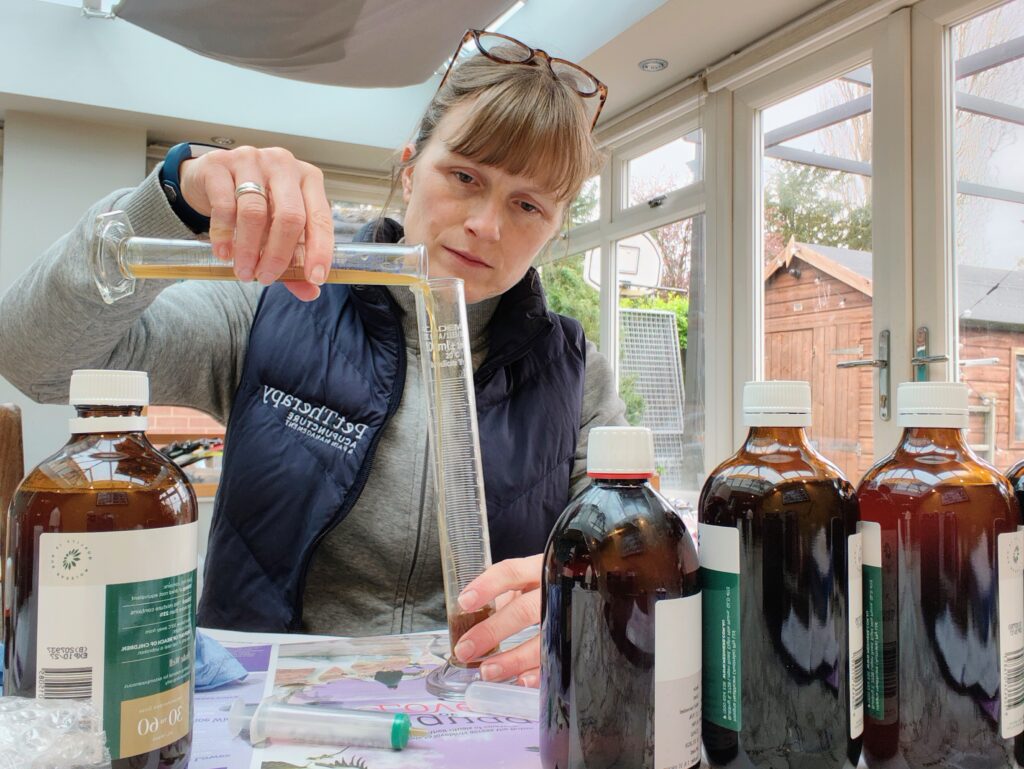
It is important for me to spend time with you and your pet and perform a thorough physical examination before prescribing herbs. This will allow me to choose a selection of herbs most suited to helping your pet with their main health problems, based on the phytochemical actions that are present in each plant. I will then create a bespoke recipe for your pet and dispense a small volume initially so that you can see how they get on with it. It can take 4-6 weeks to see any changes with herbal medicine, so once we are happy they are taking it well I will dispense a larger volume. Like any medicine, individual reactions can be very different so if we are not fully happy with the response I can tweak the recipe depending on your pet’s response. If they develop new health conditions I may want to add in extra herbs or take some out.
How do I give the herbs to my pet?
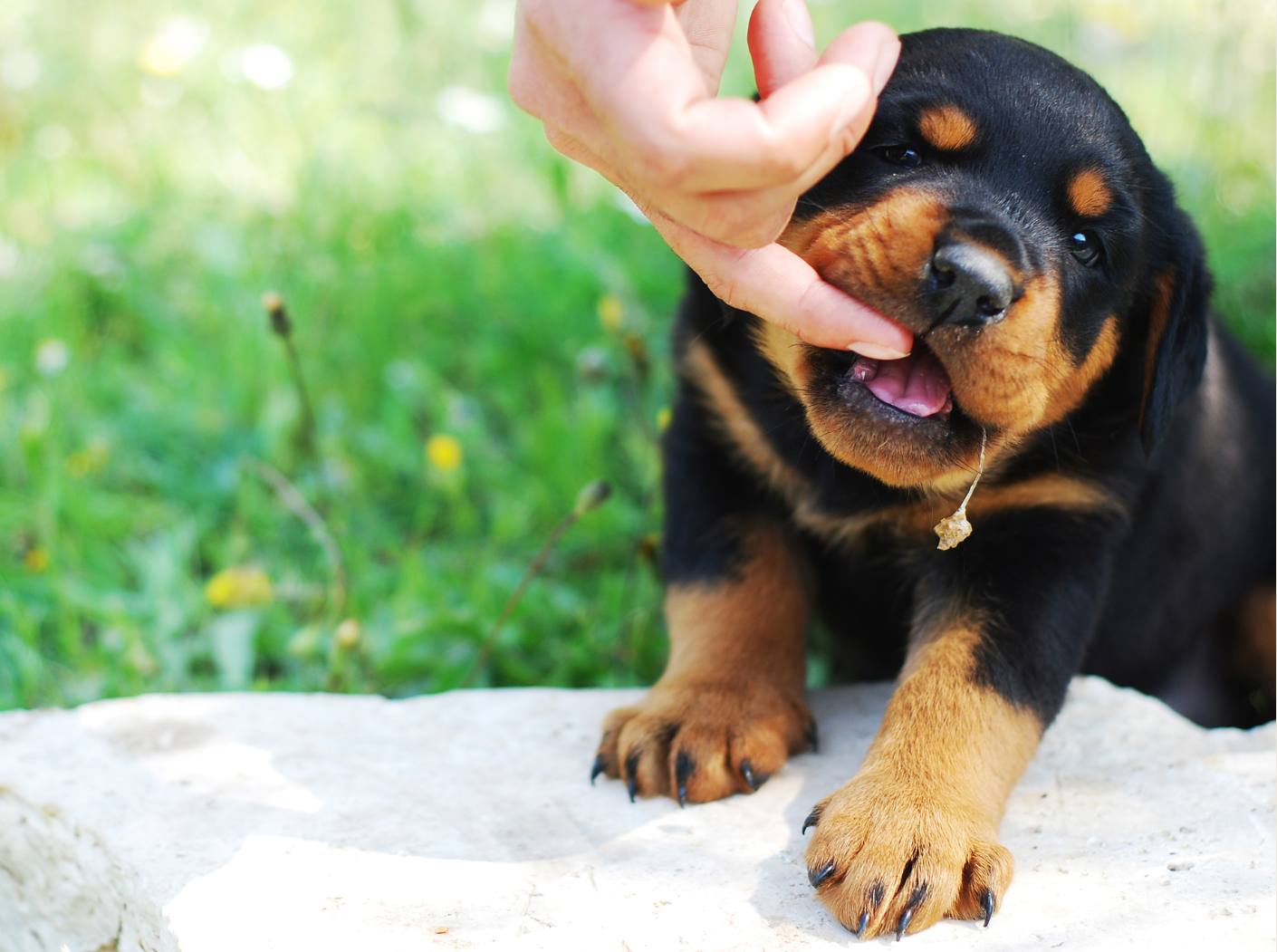
The majority of the time we prescribe herbs in the form of tinctures which are added to food. Herbal tinctures are herbs that have been preserved in alcohol. This improves their action and extends their activity, but they are strong-tasting and can take some time for the animal to get used to. We usually recommend to start with a low dose and build up to the therapeutic dose gradually.
Sometimes we supply creams or poultices for external conditions, and in the case of small herbivores such as rabbits, guinea pigs, etc. the dried plants are well accepted as a tasty treat, and readily absorbed.
A note on ‘Western’ vs ‘Chinese’ herbal medicine for pets
Just like in acupuncture, there are two main approaches to using herbs as medicines. I have studied Western herbal medicine which aligns with my veterinary training, where we are approaching treatment based on conventional medical understanding of health and disease, albeit with a holistic overview. Chinese herbalists will prescribe blends based on traditional Chinese medical patterns of disease and this may lead to different herbs being prescribed to the same animal by different herbalists.
Why are these herbal blends more expensive than those I can source online?
Ultimately, every animal is an individual and there is no ‘one size fits all’ which is why I am uncomfortable prescribing ‘off the peg’ recipes or without having examined your pet, although you can find plenty of herbal medicines online or in health food stores. The price differential between my blends and those you can source online reflect the bespoke nature of the treatments I am offering, and the fact that these can be adjusted based on how your pet is responding.
Additionally, my herbal tinctures are purchased from companies who adhere to rigorous quality controls in sourcing or growing plants sustainably, and adhere to pharmaceutical standards of manufacturing (Good Manufacturing Practice or GMP) to ensure high standards of purity and certified levels of active ingredients. These are not safeguards you can guarantee with off the shelf preparations, which do not have to adhere to any standards other than lack of harm to be sold in the UK, and may contain endangered or irresponsibly sourced ingredients.
If you have any questions regarding Western herbal medicine for pets or whether it would be appropriate for your pet, please don’t hesitate to get in touch and fill in the contact form.