

How good are we at recognising pain in our pets?
As we are in the depths of winter now, we all know that aches and pains often come to the fore in cold, wet weather. This post tackles my main professional interest: pain and what we can do about it.
For most pet owners, their pet is an integral member of the family for whom they care deeply. The thought that our pets might be in pain can be distressing, and yet, sadly, we are humans (even the veterinary ones!) can be really bad at recognising signs of pain in our pets and so it can go untreated.
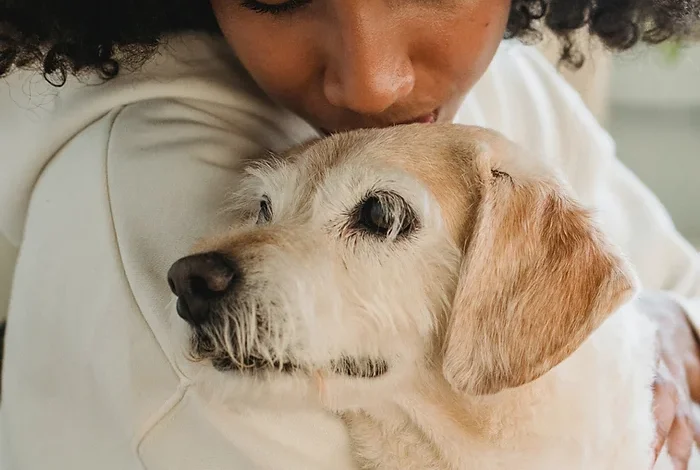
Acute vs chronic pain
If our pet cries out after a fall or has an obvious limp, then we would get them to a vet prompt and so traumatic injuries such as a fracture, ligament tear or abscess are usually recognised and treated promptly. The problem is greatest when we are talking about chronic pain, as animals often won’t show those obvious ‘painful’ behaviours.
Chronic pain is common
Osteoarthritis (or degenerative joint disease) is probably the commonest cause of chronic pain in our pets, but look at these shocking statistics:
- It affects 80% of dogs over the age of 8 years old, and potentially up to 35% of dogs of all ages- yet we know that far less than these numbers are actually being treated for the disease.
- 90% of cats over 12 years of age had evidence of degenerative joint disease on x-ray in one study from 2002.
- 42% of rabbits who were admitted to hospital for a reason other than arthritis in one study had x-ray evidence of the disease
Of course there are many other conditions that can cause pain in our pets, commonly dental disease (12.5% of dogs, 15% of cats) and ear disease (7.3%). Digestive diseases, allergic skin disease, bladder issues & cancer are all painful to a greater or lesser degree.
So what should we be looking out for?
Well as a vet the first thing I am always going to take notice of is what the owner describes. This is because animals will often not show pain the way we would expect (especially if they are nervous at the veterinary clinic!) but they will often change their behaviour to cope with it as an individual. You know your pet’s normal routine better than anyone. If you see any of the following signs then get your pet checked by a vet asap:
- Changes in sociability (becoming more withdrawn or more clingy)
- Avoiding certain movements or behaviours they used to do with ease (eg. ‘playing up’ when you ask your dog to jump into/out of the car, standing at the back step just looking out without moving))
- Changes in appetite or drinking
- Spending more time sleeping or just lying in bed (sadly this one is often attributed to ‘old age’)
- Becoming grumpy/irritable with other pets or humans when asked to play or be groomed/stroked
- Cats: spending time ‘weighing up’ a jump rather than taking it without hesitation, reduced grooming behaviour (leading to matted fur), changing their normal outdoor route to avoid eg. a high fence
- Rabbits: more time spent in one place leading to urine soaking/dirty bum, no longer eating caecotrophs (the sticky poos, this can sometimes be confused with diarrhoea)
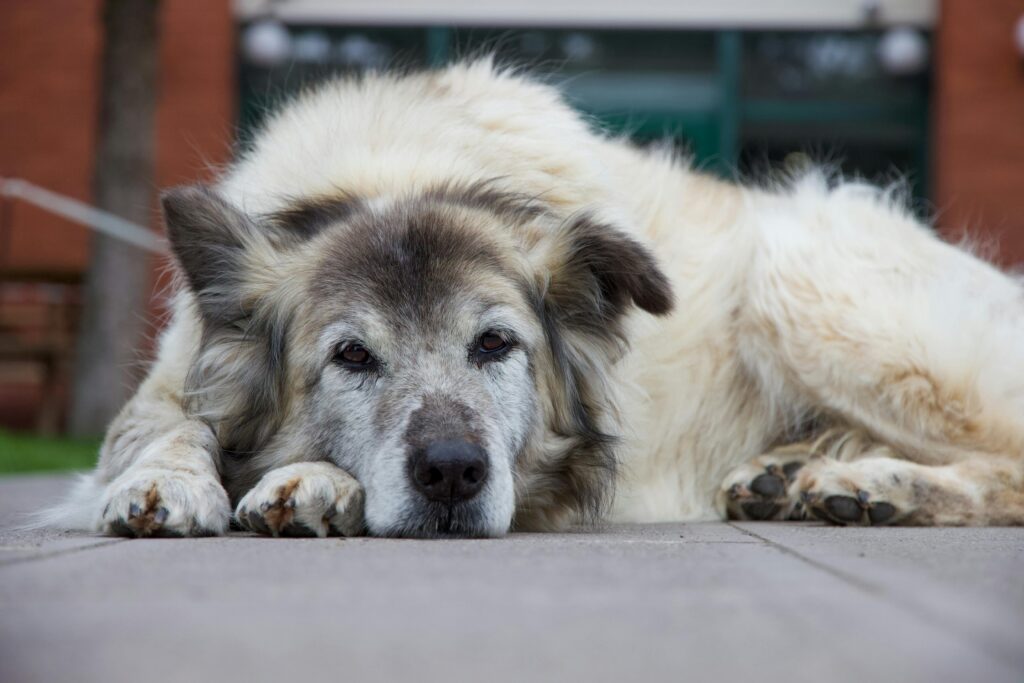
Take action!
Don’t ignore any of these signs or attribute them to ‘just slowing down’. Get your pet checked out because the sooner the pain is recognised and the sooner it can be tackled the better the quality of life your pet is going to retain, and the longer they will live. There are some useful tools available to assess and track a pet’s pain levels.
If a painful condition is diagnosed, then ask your vet about the different options for pain relief. It doesn’t always mean going onto tablets for life. Medication has an important role in preventing unnecessary suffering but thankfully there is now more awareness of, and solid evidence for, other options now, such as physiotherapy, laser, clinical massage, exercise therapies and acupuncture.
So to summarise...
- Pain in pets is common and under-recognised
- Act sooner rather than later to prevent unnecessary suffering and prolong your pet’s quality of life
Helpful links:
